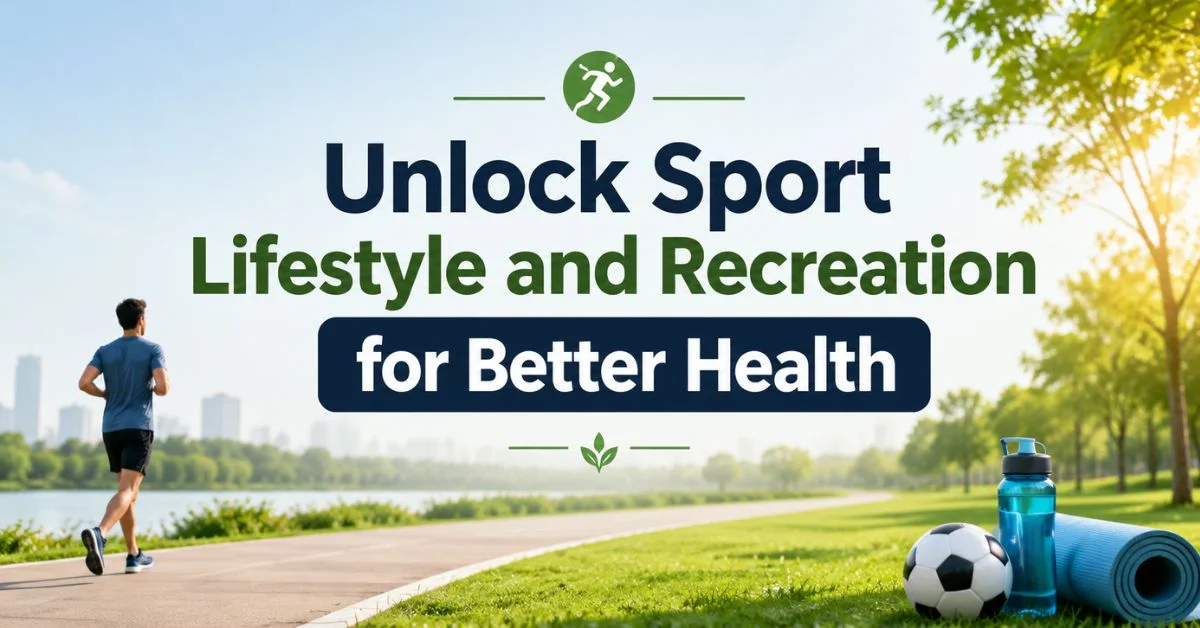
Unlock Sport Lifestyle and Recreation for Better Health

Introduction
A healthy life is not only about eating good food or sleeping on time. Daily movement also plays a big part in overall wellness. This is where sport lifestyle and recreation become important. People of all ages now look for ways to stay active, reduce stress, and enjoy their free time in a healthy way.
Sport lifestyle and recreation include physical activities, outdoor games, fitness routines, and fun hobbies that keep the body and mind active. Some people enjoy football, basketball, or swimming. Others prefer cycling, hiking, yoga, or walking in the park. The goal is simple: stay active and enjoy life at the same time.
An active lifestyle supports physical fitness, mental health, social connection, and personal growth. Even small changes can improve daily energy and mood.
What Is a Sport Lifestyle and Recreation?
Simple Meaning of Sport Lifestyle
A sport lifestyle means making physical activity a regular part of life. It can include exercise, sports training, fitness programs, or outdoor activities. People who follow this lifestyle often feel more energetic and focused.
Difference Between Sports and Recreation
Sports usually involve rules, competition, and skill development. Recreation focuses more on enjoyment and relaxation. Both support healthy living and improve physical activity levels.
For example:
- Football and tennis are sports
- Hiking and cycling for fun are recreational activities
Both are useful for health and wellness.
Must visit: Unlock Hidden Growth: County Sports Partnerships Secrets
Why Active Living Matters Today
Modern life keeps many people sitting for long hours. Office work, mobile phones, and screen time reduce movement. This can lead to obesity, stress, and low energy.
Sport lifestyle and recreation help people stay fit, active, and mentally fresh.
Physical Health Benefits of Sports and Recreation
Better Heart Health
Regular physical activity improves blood circulation and supports heart function. Activities like jogging, swimming, and cycling help lower blood pressure and improve stamina.
People who stay active often reduce the risk of heart disease and diabetes.
Weight Management and Fitness
Exercise burns calories and supports healthy weight control. Recreational sports like badminton, basketball, and dancing help maintain body fitness without making workouts feel boring.
Consistent movement also improves flexibility and balance.
Stronger Muscles and Bones
Sports activities strengthen muscles and bones. Weight training, running, and outdoor games support bone density and body strength.
This becomes more important with age because active people often stay independent for longer.
Mental and Emotional Benefits
Stress Relief Through Physical Activity
Daily stress affects both the mind and body. Physical movement releases feel-good chemicals that help improve mood and reduce anxiety.
Many people use recreational activities like yoga, walking, or swimming to relax after work or school.
Better Focus and Confidence
Sports teach discipline, patience, and goal setting. These habits improve focus in daily life.
Children and adults who take part in sports often build more confidence because they learn new skills and face challenges.
Social Connection and Team Spirit
Team sports create friendships and communication skills. Playing with others builds trust and cooperation.
Community sports programs also help people feel connected and supported.
Popular Recreational Activities for All Ages
Outdoor Activities
Outdoor recreation is a great way to enjoy nature and stay active. Popular options include:
- Hiking
- Cycling
- Camping
- Walking
- Running
Fresh air and sunlight also support mental wellness.
Indoor Sports and Fitness
Indoor doings are valuable during bad climate or busy timetables. Some common choices are:
- Gym workouts
- Yoga
- Table tennis
- Martial arts
- Dance fitness
These activities improve strength, flexibility, and endurance.
Family-Friendly Recreation Ideas
Families can stay active together through simple activities like:
- Park visits
- Weekend football games
- Swimming
- Family walks
- Backyard games
These moments improve family bonding and healthy habits.
How to Build a Healthy Sport Lifestyle
Set Simple Fitness Goals
Start with small goals that match your daily routine. Walking for 20 minutes or joining a local sports club can be a good first step.
Simple goals are easier to follow long term.
Choose Activities You Enjoy
People stay consistent when they enjoy the activity. Some prefer gym workouts while others enjoy outdoor sports.
Try different recreational activities until you find what fits your lifestyle.
Create a Weekly Routine
A regular schedule helps build healthy habits. Set fixed times for exercise, sports practice, or outdoor recreation.
Even three active days each week can improve overall fitness.
Sport Lifestyle and Recreation for Children and Teenagers
Healthy Growth and Learning
Sports support healthy body growth in children. Physical activities also improve concentration and learning skills.
Children who stay active often perform better in school and social settings.
Reducing Screen Time
Too much screen use can affect sleep and health. Recreational sports give children a better way to spend free time.
Outdoor games also improve creativity and communication.
Building Discipline and Leadership
Team sports teach responsibility and teamwork. Young players learn how to follow rules, support others, and stay committed.
These skills help later in life.
The Role of Community and Recreation Centers
Local Sports Programs
Community centers often provide affordable sports activities for children and adults. These programs support fitness and social engagement.
Safe Spaces for Physical Activity
Parks, gyms, and recreation centers give people safe places to stay active. This is very obliging in demanding metropolises.
Community Health Improvement
When more people take part in sports and recreation, communities become healthier and more connected.
Local events and sports clubs also support positive social interaction.
Common Challenges and Easy Solutions
Lack of Time
Busy schedules stop many people from exercising. Short workouts and daily walks can still make a difference.
Even small physical activities support better health.
Low Motivation
People often lose motivation after a few weeks. Joining a sports group or exercising with friends helps maintain consistency.
Budget-Friendly Fitness Options
Staying active does not always require expensive equipment or gym memberships.
Walking, jogging, home workouts, and public parks are low-cost ways to maintain fitness.
Conclusion
Sport lifestyle and recreation help people live healthier and happier lives. Physical activity improves fitness, mental health, confidence, and social connection.
The best part is that anyone can start. You do not need expensive equipment or professional training. A simple walk, a local football match, or a weekend bike ride can become the start of a better lifestyle.
Small daily actions create long-term results. Staying active today can support a healthier future for both the body and mind.
FAQs
1: What does sport lifestyle and recreation mean?
It means living an active life through sports, exercise, and fun physical activities that support health and wellness.
2: How does recreation improve mental health?
Recreational activities reduce stress, improve mood, and help people feel relaxed and mentally fresh.
3: What are the best recreational activities for beginners?
Walking, cycling, yoga, swimming, and light fitness workouts are good choices for beginners.
4: Why are sports important for children?
Sports improve physical growth, teamwork, confidence, and healthy social skills in children.
5: Can recreational activities help reduce stress?
Yes. Activities like walking, swimming, and outdoor games help relax the mind and lower stress levels.