
Football Diet Plan: Complete Nutrition Guide for Peak Performance in Football

Introduction
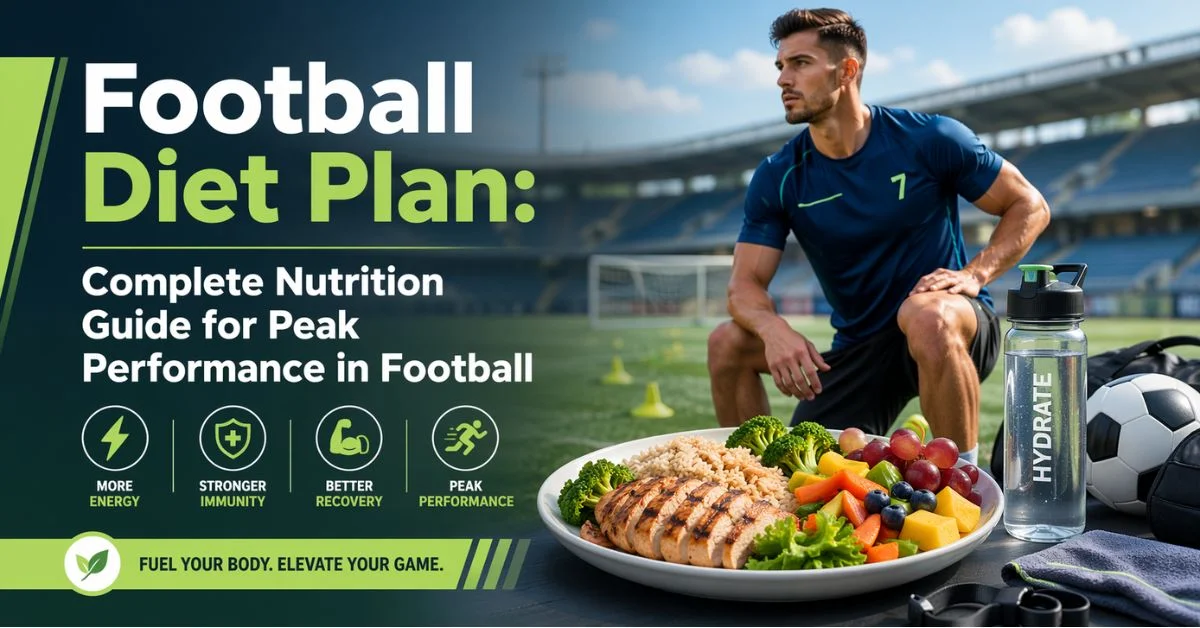
A well-structured football diet plan is one of the most important factors that influence how a player performs on the pitch. In modern Football, physical fitness alone is not enough; nutrition plays a key role in energy production, recovery, and long-term endurance. Whether you are a beginner or a professional athlete, following a proper football diet plan helps maintain consistent performance during training and matches.
Top players like Cristiano Ronaldo and Lionel Messi follow strict nutrition routines designed to improve energy levels, muscle recovery, and endurance performance. This shows how serious nutrition has become in professional Football, especially under global standards set by organizations like FIFA.
A smart football diet plan is not just about eating more food. It is about eating the right nutrients at the right time to support match day nutrition, training diet needs, and post-game recovery. In this article, you will learn a complete science-backed approach to football nutrition that improves performance naturally.
Understanding Football Nutrition and Its Importance
A proper football diet plan is designed to support high-performance athletes who require speed, strength, and stamina. Football is a physically demanding sport that requires constant movement, sprinting, and recovery within short intervals.
Why Nutrition Matters in Football
Nutrition directly affects:
- Energy levels during matches
- Muscle recovery after training
- Endurance performance throughout the game
- Hydration levels under physical stress
Without a structured football diet plan, players often experience fatigue, slow recovery, and poor performance consistency. This is why football player nutrition is considered as important as training itself.
Role of Balanced Diet in Performance
A balanced diet ensures the body gets all essential nutrients:
- Carbohydrates for energy
- Protein for muscle repair
- Healthy fats for long-term fuel
A scientifically planned football diet plan ensures glycogen stores remain full, which is essential for maintaining energy during high-intensity matches.
Pro Tip: Focus on whole foods instead of processed meals to naturally improve endurance and recovery.
Nutritional Needs of Football Players
A strong football diet plan is built on understanding macronutrients and micronutrients. Every professional athlete follows a structured diet plan for soccer players that aligns with their training load.
Macronutrients for Football Performance
Carbohydrates are the primary fuel source for footballers. They maintain energy levels during matches and training sessions. Protein supports muscle recovery and strength development, while fats provide long-lasting energy.
In a proper football diet plan, carb intake increases before match day to maximize glycogen stores, ensuring sustained performance throughout the game.
Hydration and Electrolytes
Hydration is often ignored but is critical for performance. Even slight dehydration can reduce endurance performance and reaction time.
A well-designed football diet plan includes:
- Regular water intake
- Electrolyte balance
- Pre and post-training hydration
Pro Tip: Drink water consistently throughout the day instead of consuming large amounts at once before a match.
Pre Match Meal Football Strategy
Pre-match nutrition is one of the most important parts of a football diet plan because it directly impacts energy availability during the game.
What to Eat Before a Match
A pre match meal football routine should focus on easily digestible carbohydrates and moderate protein. Examples include:
- Rice with lean chicken
- Pasta with light sauce
- Oatmeal with fruits
This helps maintain stable energy levels and prevents fatigue during the match.
A proper football diet plan ensures players avoid heavy, greasy, or high-fiber foods before playing.
Timing of Meals
Meals should ideally be consumed 2–4 hours before kick-off to allow proper digestion and energy conversion.
Pro Tip: Never try new foods on match day; stick to your tested football fitness diet routine.
During Match Nutrition and Energy Management
During intense matches, maintaining hydration levels and energy is critical. A football diet plan includes quick energy strategies for in-game performance.
Hydration and Quick Energy Sources
Players lose fluids quickly through sweat, which affects concentration and speed. Water and electrolyte drinks help maintain balance.
Some athletes use small carbohydrate sources like energy gels in long matches.
Pro Tip: Small, frequent sips of water are better than drinking large amounts at once during breaks.
Post Match Recovery Diet for Footballers
Recovery is where performance improvement actually happens. A strong football diet plan focuses heavily on post match recovery diet strategies.
Muscle Recovery and Glycogen Refilling
After a match, the body needs:
- Protein for muscle repair
- Carbohydrates for glycogen replenishment
- Fluids for hydration recovery
This helps restore energy levels and supports faster muscle recovery.
Best Recovery Foods
Ideal foods include:
- Eggs with whole grain bread
- Chicken with rice
- Protein smoothies with fruits
A structured football diet plan ensures recovery starts within 30–60 minutes after the match.
Pro Tip: Combine protein and carbs immediately after training or matches for faster recovery results.
Daily Meal Plan for Football Players
A consistent daily routine is the foundation of an effective football diet plan. Professional athletes follow strict schedules to maintain peak fitness.
Example Athlete Meal Structure
- Breakfast: Oats, fruits, and milk
- Lunch: Rice, vegetables, and chicken
- Dinner: Light protein with vegetables
- Snacks: Nuts, yogurt, or fruits
This type of athlete meal plan supports steady energy levels throughout the day.
A well-structured football diet plan ensures that players never experience sudden drops in energy during training sessions.
Pro Tip: Eat smaller meals every 3–4 hours to maintain stable energy levels.
Supplements in Football Nutrition
Supplements are optional but sometimes used in advanced football diet plan strategies when natural diet is not enough.
Common Supplements
Some commonly used supplements include:
- Creatine for strength and power
- Electrolytes for hydration support
- Protein powders for recovery
However, most nutrition experts recommend focusing on whole foods first in any football fitness diet approach.
Pro Tip: Always consult a professional before adding supplements to your football diet plan.
Common Diet Mistakes Footballers Make
Even with a structured football diet plan, many players make avoidable mistakes:
- Skipping meals before training
- Eating junk food frequently
- Poor hydration habits
- Ignoring recovery nutrition
These mistakes reduce performance and slow down muscle recovery, affecting overall endurance performance.
Pro Tips for an Effective Football Diet Plan
A successful football diet plan is not just about what you eat but how consistently you follow it.
- Focus on timing, not just food type
- Prioritize hydration throughout the day
- Maintain consistent training diet habits
- Avoid experimenting with new meals on match days
- Follow recovery nutrition within the first hour post-match
Professional players like Cristiano Ronaldo maintain strict discipline in their diet routines, while Lionel Messi focuses on balanced nutrition to sustain long careers at the top level of Football.
Want to become a fully fit football player? Check out our complete Football Fitness guide covering strength, speed, endurance, and conditioning.
FAQs About Football Diet Plan
What is the best football diet plan for beginners?
A beginner should focus on balanced meals including carbs, protein, and healthy fats while maintaining hydration.
Why is nutrition important in football?
Nutrition supports energy levels, endurance performance, and muscle recovery, which are essential in Football.
What should a pre match meal football include?
It should include easily digestible carbohydrates and moderate protein to maintain energy.
How important is post match recovery diet?
It is extremely important because it helps rebuild muscles and restore glycogen stores after intense activity.
Do professional players follow strict diet plans?
Yes, all high-performance athletes follow structured football diet plans to maintain peak performance.