Shocking Kabaddi Injury Prevention Tips Players Ignore

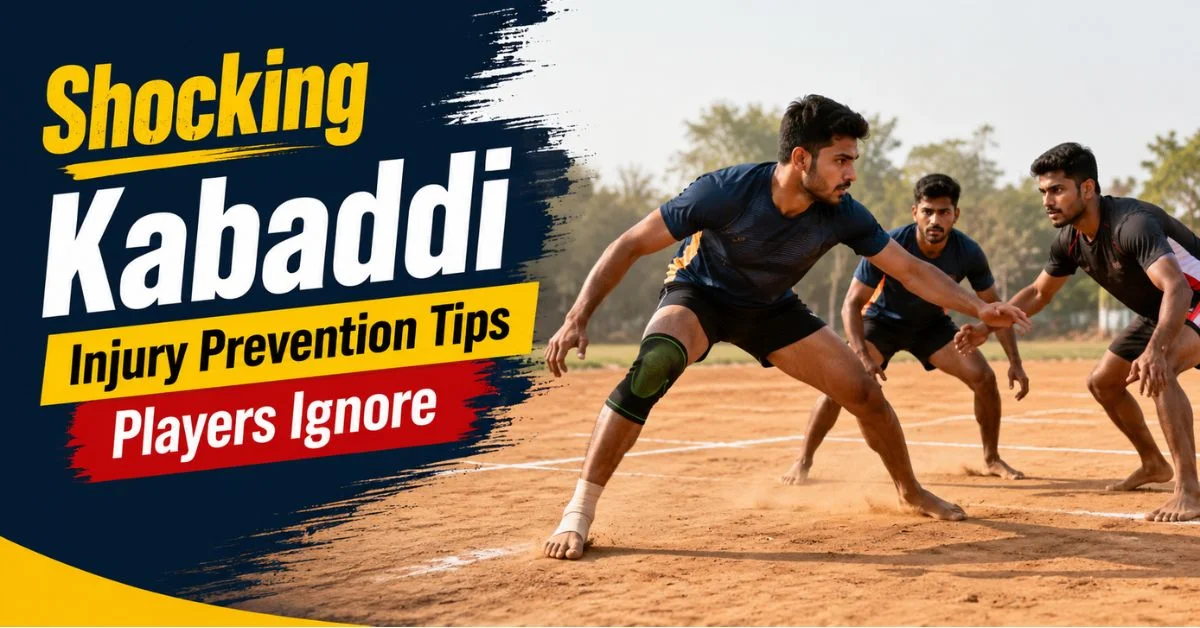
Kabaddi is one of the most physically demanding sports in the world. The game requires explosive power, quick reaction time, agility training, and excellent body balance. Whether a player is participating in local tournaments or professional competitions like the Pro Kabaddi League, the risk of injuries is always present. Because of constant tackling, sudden movements, and high training intensity, players often experience ankle sprains, knee injuries, muscle fatigue, and hamstring strains.
Proper kabaddi injury prevention strategies help players improve athlete performance while reducing the chances of serious physical damage. By focusing on kabaddi player fitness, safe kabaddi practice, flexibility exercises, and sports injury prevention techniques, athletes can enjoy long-term success in the sport.
If you play multiple sports or just want to understand injury prevention from the ground up, our complete guide covers everything: Essential Prevent Sports Injuries Tips Beginners Ignore.
Common Injuries in Kabaddi
Kabaddi involves intense physical contact, rapid direction changes, and powerful defensive techniques. These actions increase injury risk factors for players of all levels.
Knee Injuries
A knee injury in kabaddi is one of the most common problems players face. Sudden twisting during raid techniques or tackling can lead to ligament damage, including ACL injuries. Many athletes use a Knee brace to improve joint stability during matches and training sessions.
Strong leg muscles and proper landing techniques help reduce pressure on the knees and support injury prevention in kabaddi.
Ankle Sprains
An Ankle sprain frequently occurs when players lose body balance while defending or raiding. Uneven movement and poor foot positioning increase the risk of ankle damage.
Athletes can improve ankle injury prevention by performing mobility exercises, balance drills, and flexibility training regularly.
Shoulder Injuries
Shoulder injuries usually happen during aggressive tackles. Players involved in defensive techniques often place excessive strain on their upper body, which may result in muscle tears or dislocations.
Strength and conditioning exercises help improve muscle strength and shoulder stability during intense gameplay.
Hamstring Strain
A Hamstring injury is common among players who skip warm-up exercises for kabaddi. Sprinting and sudden acceleration place stress on the hamstring muscles.
Dynamic stretching and proper physical conditioning significantly reduce muscle fatigue and prevent sports injuries.
Finger and Wrist Injuries
Finger and wrist injuries occur during tackles and falls. Safe tackling techniques and controlled movements are essential for injury-free gameplay.
Athletes should avoid overtraining and practice proper hand positioning during matches.
Importance of Warm-Up Before Kabaddi
A proper pre-match warm-up prepares the body for intense physical activity. It improves blood circulation, reaction time, and flexibility and mobility.
Dynamic Stretching
Dynamic stretching improves mobility and activates muscles before training. Dynamic movements prepare the body for rapid directional changes during kabaddi matches.
Examples include:
- High knees
- Leg swings
- Arm circles
- Walking lunges
These movements improve player endurance and reduce injury risk factors.
Mobility Exercises
Mobility exercises improve joint stability and flexibility. Players with better flexibility and mobility experience fewer muscle-related injuries during raids and tackles.
Hip mobility drills and ankle rotations are highly effective for safe kabaddi practice.
Muscle Activation Drills
Muscle activation exercises prepare important muscle groups for action. Resistance band workouts and light jogging increase blood flow and improve athlete performance before games.
Professional teams involved in the Pro Kabaddi League often include these drills in their kabaddi workout routine.
Strength Training for Injury Prevention
Kabaddi strength training improves overall athletic training and protects players from physical stress during matches.
Core Strength
Core strength exercises improve body balance and protect the spine during tackles. A strong core also enhances raid techniques and defensive movements.
Planks, Russian twists, and medicine ball exercises are excellent options for physical conditioning.
Leg Strength Training
Strong legs reduce pressure on the knees and ankles. Squats, lunges, and resistance training exercises improve lower-body power and support sports injury prevention.
Resistance training also improves muscle endurance and stability during high-intensity matches.
Balance and Stability Exercises
Balance drills help players maintain control during fast movements. Exercises such as single-leg stands and agility ladder drills improve reaction time and joint stability.
These workouts are essential for ankle injury prevention and injury-free gameplay.
Proper Kabaddi Techniques to Avoid Injuries
Using correct kabaddi training techniques helps players perform safely and efficiently.
Safe Raiding Techniques
Raiders should avoid overextending their bodies during attacks. Controlled movements reduce stress on muscles and improve safe kabaddi practice.
Maintaining body balance and awareness during raids lowers the chances of falling injuries.
Correct Tackling Methods
Safe tackling techniques are essential in kabaddi. Defenders should focus on controlled contact instead of reckless force.
Professional coaches and Sports physiotherapy experts often teach players how to tackle safely without causing unnecessary strain.
Landing and Falling Techniques
Improper landing can lead to severe knee injuries and muscle damage. Players should learn how to distribute body weight evenly while falling.
Practicing controlled falls reduces impact and improves injury management in sports.
Recovery and Rehabilitation
Recovery is a critical part of kabaddi injury prevention. Without proper rest, players face muscle fatigue and decreased athlete performance.
Rest and Sleep
Adequate sleep helps muscles repair naturally. Players involved in intense kabaddi conditioning drills should prioritize recovery sessions after matches.
Overtraining increases the risk of chronic injuries and poor performance.
Hydration and Nutrition
Hydration plays a major role in muscle recovery for athletes. Dehydration causes cramps, fatigue, and reduced endurance.
Sports nutrition helps athletes maintain energy levels and support post-match recovery. A balanced diet with protein, healthy fats, and carbohydrates improves recovery speed.
Physiotherapy and Recovery Sessions
Sports medicine professionals and physiotherapists help athletes recover from injuries safely.
Recovery exercises, stretching routines, and sports rehabilitation sessions reduce stiffness and improve flexibility after matches.
Protective Equipment for Kabaddi Players
Using sports safety equipment helps reduce the impact of physical contact.
Knee Supports
Knee supports and braces improve stability during movement. They are especially useful for players recovering from previous injuries.
Ankle Braces
Ankle braces provide extra support and help prevent ankle sprains during fast directional changes.
Proper Footwear
Good-quality shoes improve grip and reduce slipping. Proper footwear supports safe kabaddi practice and protects joints during intense gameplay.
Best Training Practices for Kabaddi Players
Consistent training and smart recovery strategies are important for long-term fitness for kabaddi players.
Avoid Overtraining
Excessive training intensity increases muscle soreness and injury risk. Players should follow a balanced training recovery cycle.
Gradual Intensity Increase
Athletes should slowly increase workout intensity instead of pushing their bodies too hard too quickly.
This approach improves player endurance while reducing stress-related injuries.
Regular Fitness Assessment
Regular physical assessments help identify weaknesses and mobility limitations early. Coaches and trainers can then create safer athletic training programs for players.
Conclusion
Kabaddi is a fast-paced and highly physical sport that demands strength, agility, and endurance. However, without proper preparation and recovery, players are more likely to experience serious injuries. Effective kabaddi injury prevention involves warm-up exercises, flexibility training, safe tackling techniques, hydration, strength and conditioning, and recovery exercises.
Players who focus on physical conditioning, sports rehabilitation, and safe training methods can improve performance while reducing injury risks. Whether you are a beginner or a professional athlete, smart preparation and consistent recovery are essential for safe and successful kabaddi gameplay.
Kabaddi-specific tips are important, but the basics of injury prevention apply to every sport. For the full picture, read: Essential Prevent Sports Injuries Tips Beginners Ignore.
FAQs
What are the most common injuries in kabaddi?
The most common kabaddi injuries include ankle sprains, knee injuries, hamstring strains, shoulder injuries, and wrist injuries caused by tackling and sudden movements.
How can players prevent knee injuries in kabaddi?
Players can prevent knee injury in kabaddi through strength training, proper landing techniques, mobility exercises, and using protective support like knee braces.
Why are warm-up exercises important before kabaddi?
Warm-up exercises for kabaddi improve blood circulation, activate muscles, enhance flexibility, and reduce the chances of muscle fatigue and injuries.
Which exercises improve kabaddi player safety?
Core strength exercises, agility training, balance drills, resistance training, and flexibility exercises improve joint stability and athlete performance.
What are the best recovery methods for kabaddi players?
The best athlete recovery methods include hydration, sports nutrition, adequate sleep, recovery sessions, physiotherapy, and post-match stretching routines.